
Remember swinging on the branches of a Jamun tree to pluck its fruit? There is nothing quite like it. The taste of those Jamuns…wow, my mouth is already watering! Those memories are incomparable.
Similarly, the sight of natural scenery is a proven stress-buster. The breath of fresh air as we walk among plants and trees is energizing. Nature provides all this and so much more to us. But in the hustle and bustle of city lives, we are losing these intangible benefits to more “concrete” needs.
In an attempt to get more grounded in nature, many have bought farms outside the city. But life catches up. Before they know it, there isn’t enough time or resources to invest in the farm.
If you’ve nurtured this desire to (literally) get back to your roots, Beforest can be your friend. The company is reconnecting people’s lives with nature through a unique farming initiative.
I had an intriguing conversation one sultry April afternoon to learn about the Beforest story…
Collectives for part-time, city-dwelling farmers
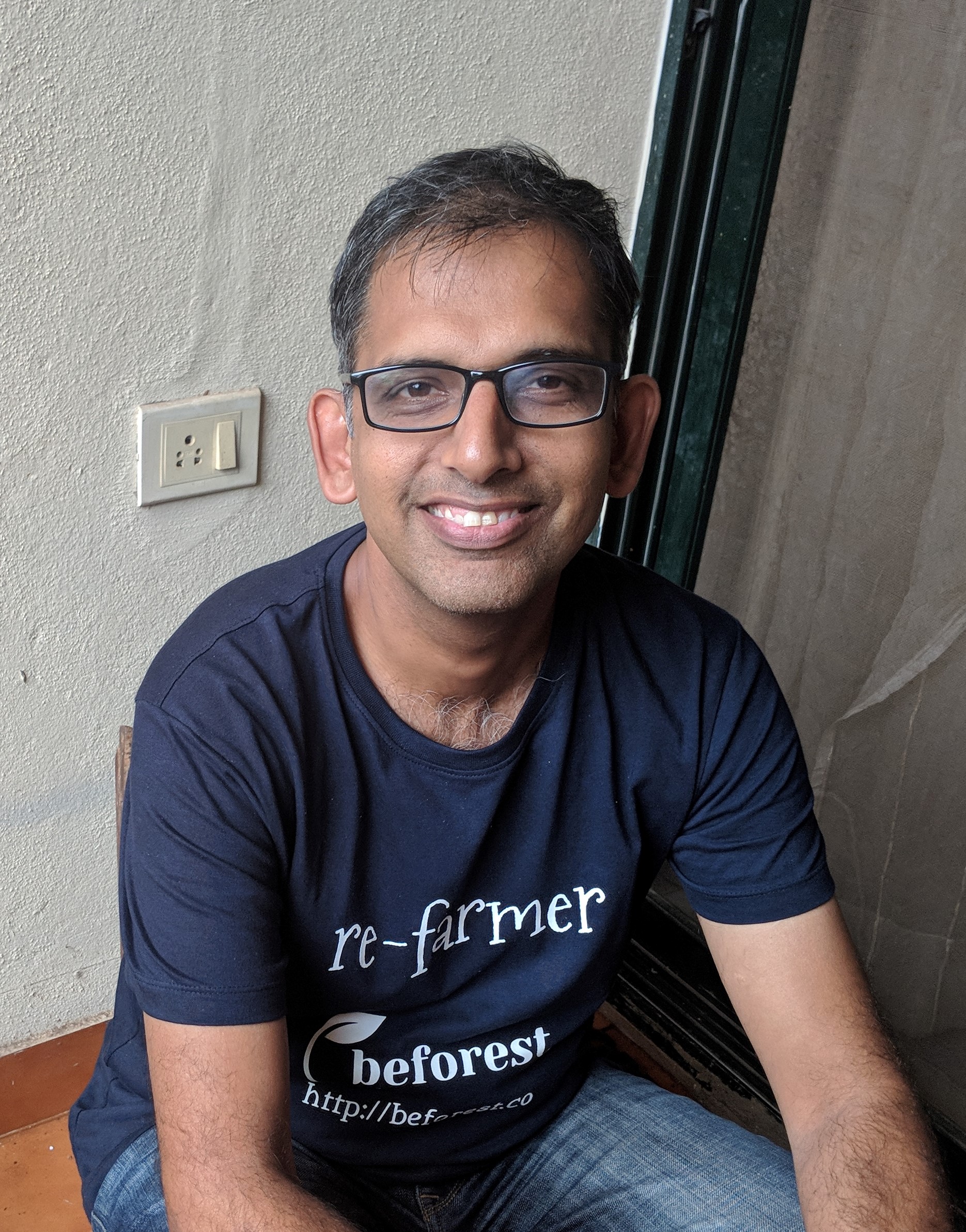
“We (the founders) were part-time farmers and knew about the day-to-day operational issues,” says Sunith Reddy, the company’s Chief Eco Officer and one of the three founders. To solve these problems, they adopted a collective model. “It is like you bringing 4-5 friends to buy a farm, so you can share the expenses and manage the land together. It reduces the pressure on you. We just find these 4-5 friends for you, and instead of 4-5 we bring 100 people together.”
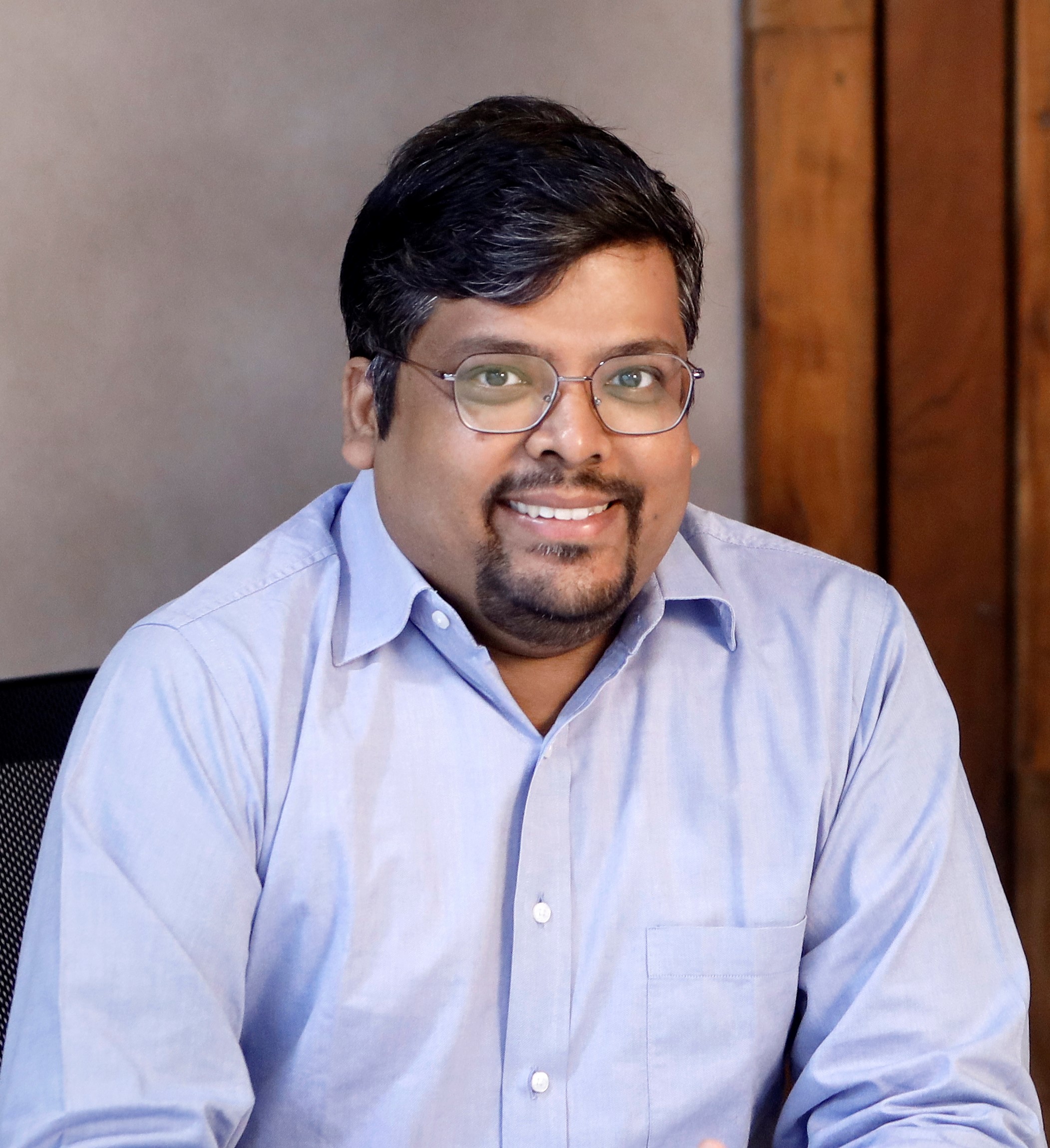
Sameer Shisodia (the Chief Farming Officer) was independently working on establishing a collective model in the outskirts of Bangalore when, along with Shaurya Chandra (the Chief Finance Officer), the three friends joined hands in 2017 to scale this powerful idea.

Beforest’s modern farm
Beforest brings like-minded individuals together to buy a large piece of real estate and design a “modern farm”. These individuals—called participants—make up the collective that owns the farm. Together they decide where the farm will be, what grows there and how it’s run.
The farm is built around the landscape, mimicking natural characteristics and making the best use of existing features, through the principle of permaculture. The layout is planned to leave much of the landscape wild and undistributed like a forest, use resources judiciously, and grow native species. (“We can’t be growing bell peppers in Hyderabad,” notes Sunith dryly.)
As a member, you don’t have to worry about the daily functioning of the farm; Beforest employs staff to run operations. You can pitch in as and when you like, and even experiment on a small piece of land!
Early bumps
It is not easy to buy land in India. In the beginning, it was a considerable challenge to navigate the legal and procedural requirements of buying a land parcel as large as 100 acres. “None of us had a real estate background. We were unaware of the permissions required from different authorities,” shares Sunith. “In hindsight, we should have paid more attention to this. The Bangalore collective’s design went through multiple iterations just so we could comply with all the requirements.” The harsh experience has made the team extra cautious about regulations. “We checked these rules right in the beginning for the other collectives,” says Sunith, chuckling.
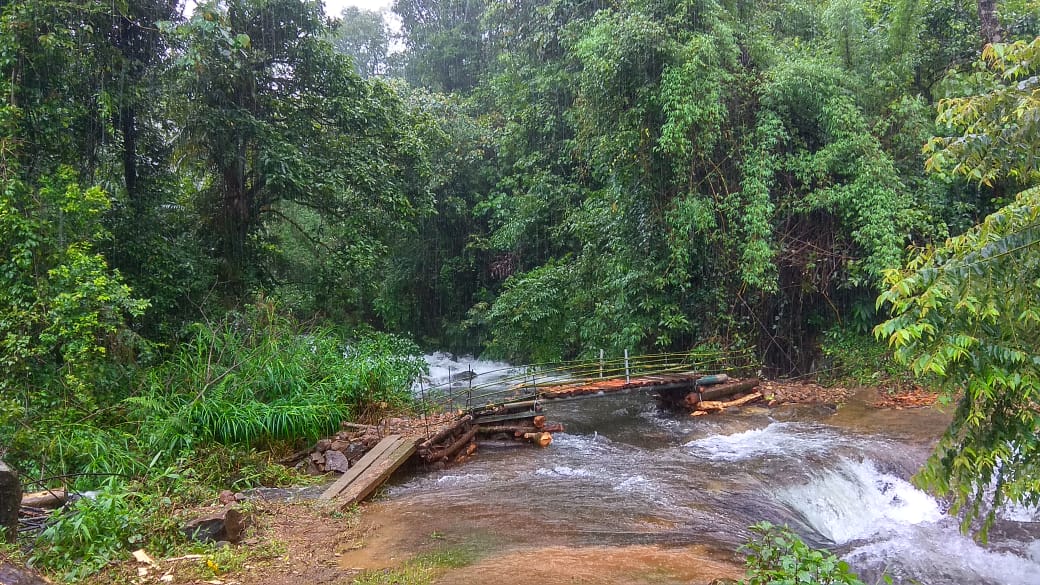
Every location posed a different elemental challenge. “Permaculture is location specific. We had to deal with extremely degraded soil in Bangalore; an abundance of water in Coorg; a landscape studded with rocky outcrops in Hyderabad. Each location required a unique solution through careful analysis.”
Hyderabad, particularly, presented a societal challenge. “Hyderabadis see land as an asset. When we told them about our farm, an investment calculation immediately began in their heads. We did not want that. We needed people who understood our ecological goals, not people who speculated about short-term financial returns.” Beforest is very particular about its messaging and is running campaigns to educate people about its principles as well as the concept of farm forestry.
“We are proud of developing trust with our participants”
Through its journey, Beforest is proud of the network of trust it has developed. “Most of our participants have come through word-of-mouth. They know us or they know people who know us,” says Sunith. “We have been very transparent, which our participants appreciate. We actively say no to people who don’t fit into the collective. Even if people wish to leave the collective (say, after the romance of the idea has died down), we let them.”
This trust has brought knock-on benefits. Sunith recounts a story from the recent coffee harvest in the Coorg collective. “Conventionally, the producers sell their coffee through auctions to wholesalers and only get 60-70 rupees per kilogram for dried robusta beans. But after processing, the retail price for a consumer who buys filter coffee is almost 1000 rupees per kilogram! Every producer wants to bypass the supply chain and reach the consumer directly to boost their profits. Our network has given us a group of 100+ families who know us and our philosophy and will buy our produce. We are confident that we can sell all of our coffee to the consumer without middlemen.”
It’s not just a fancy hobby…
Selling farm produce, like coffee from Coorg, is the primary stream of income. The produce is first consumed by people on the farm and the participants of the collective. The remaining is sold under their BeWild brand. Collectives also run hospitality services on the farm to boost viability. The founders put it simply:
“We want to show people that ecological and financial sustainability can go hand-in-hand. That’s when it’s truly scalable and meaningful. Otherwise, what are we doing with 100 acres of land?”
Other revenue options have also emerged as more and more people understand the message of Beforest. “People have seen our model and have approached us to manage their individual farms. This is something we could diversify into.”
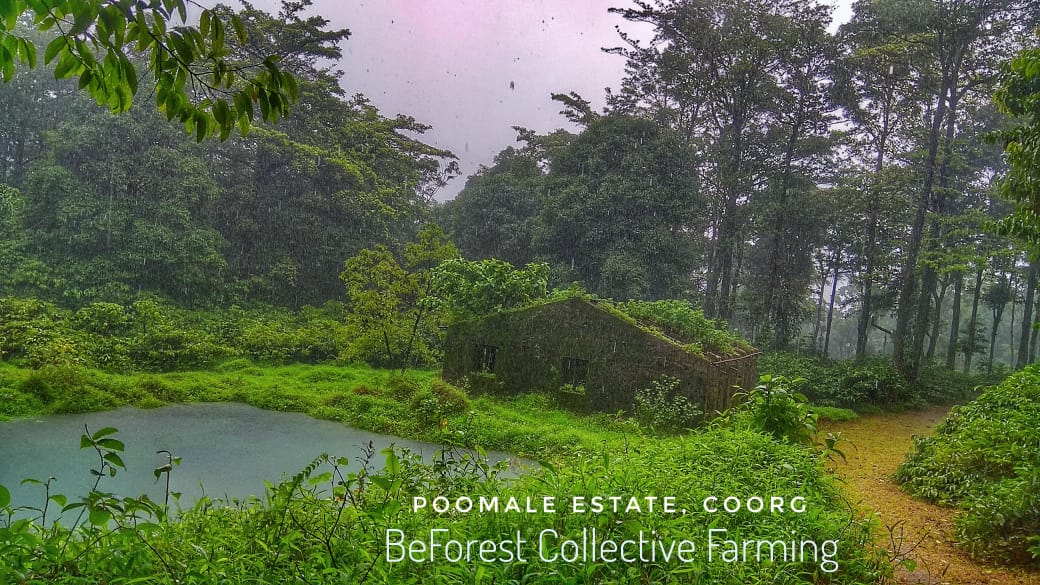
This sustainable farming initiative has 3 functional collectives today: The Tamarind Valley Collective in Bangalore, the Poomale Collective in Coorg and the Hyderabad Collective. The newest collective, in Hyderabad, is growing amla and sitafal as other native produce are being considered. “We are also looking at prospects in Chikmangloor, Pune, and Coonoor,” Sunith elaborates.
“Green does not mean the color green.”
Sunith passionately differentiates his company from other green living projects. “Green does not mean the color green. We want to create an ecological space where, at the end of each harvest cycle, the landscape is richer in a measurable way.”
This commitment to hardcore sustainability has helped them touch many other aspects of life, which they did not foresee. “We had set out to help people farm, but have achieved much more. We’ve revived landscapes, created employment opportunities and provided the participants with meaningful connections with nature. They are making more conscious decisions in other parts of their life,” Sunith shares happily.
The ecological goals are firmly entrenched in each decision Beforest takes; they will continue to guide this initiative in the future. A constant remind is in the name.
Beforest: befriend the forest.
In partnership with Beforest. Check out their website: http://www.beforest.co.
Discover more from Eco-intelligent
Subscribe to get the latest posts sent to your email.
 Eco-intelligent
Quite extensively covered. Interesting piece of work. Glad to have learned about this initiative.
LikeLike
Thank you so much!
Would you have any suggestions on where I could improve?
LikeLike
Wow!! This is informative!! Do check out my posts too!!
LikeLiked by 1 person
Thanks Nitha!
I had tried the last time you visited my site, but the posts I saw were in a different language 🙈
Couldn’t find any post in English… could you share a link?
LikeLiked by 1 person
Yeah sure!!
LikeLike