
Picture this. You are at a conference on circular economy. Experts from different spheres of the field have gathered to brainstorm and expound on the best ways to improve recycling, manage waste and produce more efficiently. In the coffee break, you head over to the bathroom. Inside, the bustle of activity is typical of any 15-minute bio break. As you enter, you notice two or three of your fellow participants, one of them a speaker, casually pulling out paper towels, wiping their hands and dropping the used crumple into the dustbin. You pause, glance at them. They give you a cheery nod as they walk out.
Those used paper towels are cosigned to the abyss, not to be recycled or reused in any way. A single-use product. Perhaps you would expect the experts of circular economy in a circular economy conference to bring their handkerchiefs? No. Hardly anyone ever brings handkerchiefs. Paper towels and tissue napkins are so readily available that it has become an inconspicuous and ubiquitous convenience.
The Difficulty of Being Good is a fascinating book by Gurcharan Das. The book is about the concept of dharma. It traces the meaning and applications of this concept in real life by exploring how different characters of the Indian epic Mahabharata grapple their supposed dharmas in the messy world they live in.
This post is not going to contemplate my dharma — such philosophical musings are perhaps best left for midnight overthinking. I write this because the title of the book struck me as a poignant encapsulation of how difficult it is to be good as a sustainability enthusiast and environmentalist in the 21st century.
Conveniences and inconveniences
It’s hard to see how my own actions can then affect the unstoppable, unceasing deluge of things and habits built on the promise of convenience. The design of everything successful has been on the foundation of convenience. Once a new convenient method kicks in, it can rarely be supplanted by anything but a more convenient option. In the recent past, this has unfortunately shifted towards more and more unsustainable materials and habits. Convenience is, in most cases, the nemesis of sustainability. And unfortunately for sustainability, convenience is everywhere and is — well, convenient!
Segregating waste is inconvenient to dumping everything into the same bag. Booking a cab is more convenient walking to your destination or taking public transport. It is extremely easy to buy a new phone, but it is absolutely unclear how to dispose of an old phone responsibly. Being sustainable requires to one push past every impulse, the feeling of fatigue or just plain laziness to try and be a good sustainability proponent.
Then, as if my own internal struggles weren’t enough, it makes it more difficult when I see others continuing to live by flowing through life without giving the implications of their actions a second thought. Do my actions make any difference then, I wonder.
Silver linings
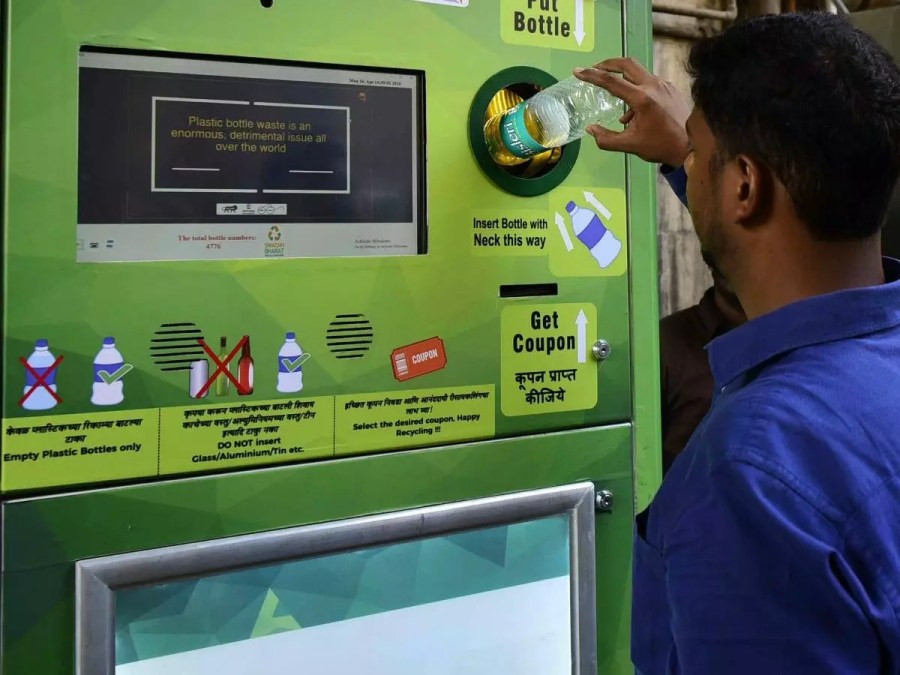
Smart and motivated people are finding and applying solutions to effect behavioral change that makes people want to embrace the difficulty of being a sustainable person. Convenience is being tackled with incentives to embrace the more difficult option. Vending machines that collect old plastic and glass bottles in exchange for money is an excellent example of monetary incentives that drive sustainability.
Regulations can make a difference. Plastic bottles in Europe come with caps that cannot be removed; they are attached to the seal. This is part of a regulation on single-use plastic by the European Commission. This helps reduce smaller pieces of plastic waste and make recycling easier. A lot of people have found this extremely inconvenient, affecting how they drink out of such bottles. This has prompted design changes that enhance user experience but the presence of the regulation keeps underlying sustainability initiative the new status-quo. Personally, the designs were okay and the experience wasn’t much different to a normal bottle to a removable cap (but it could be that I was consuming products that have already fixed design issues).

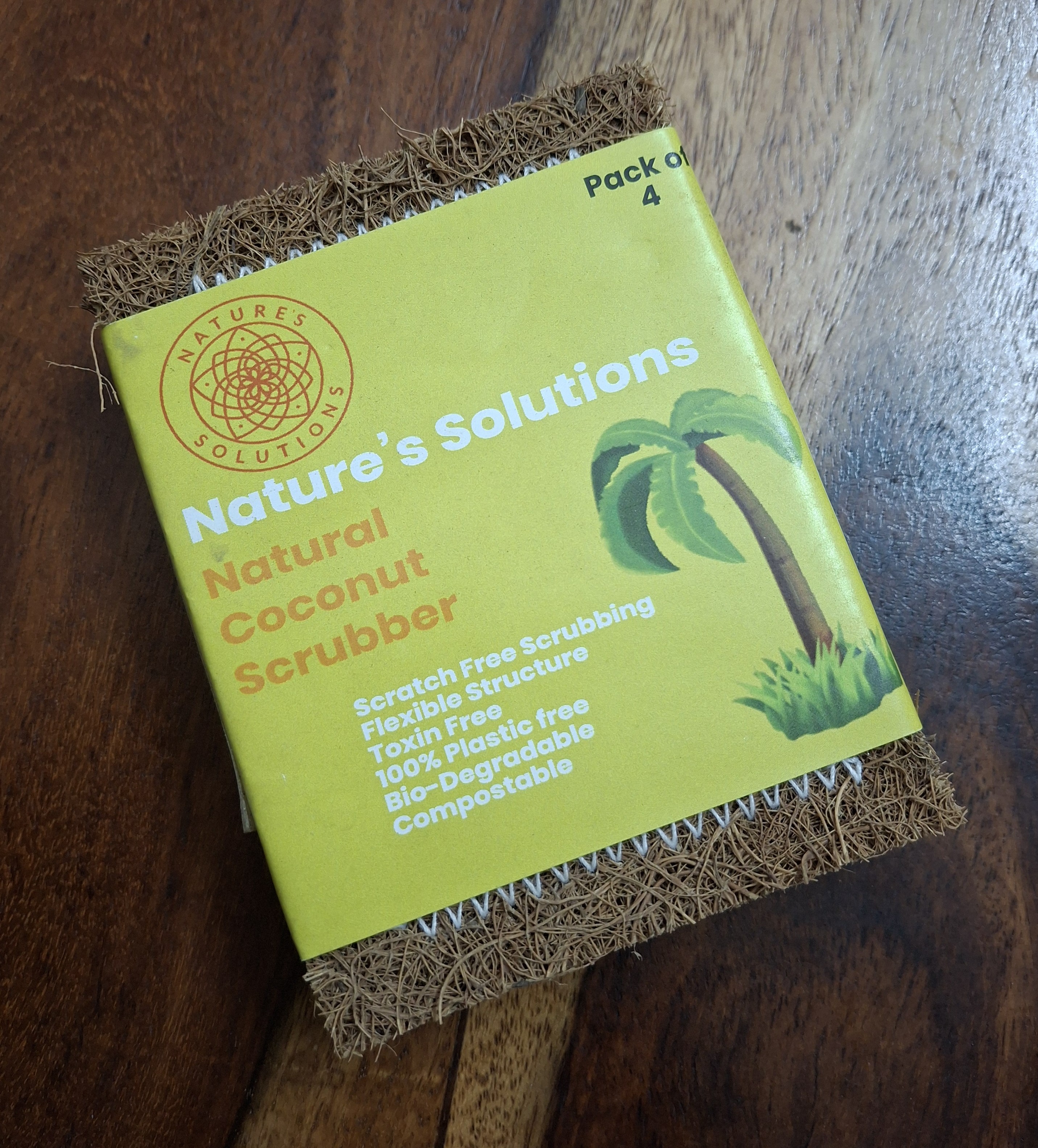
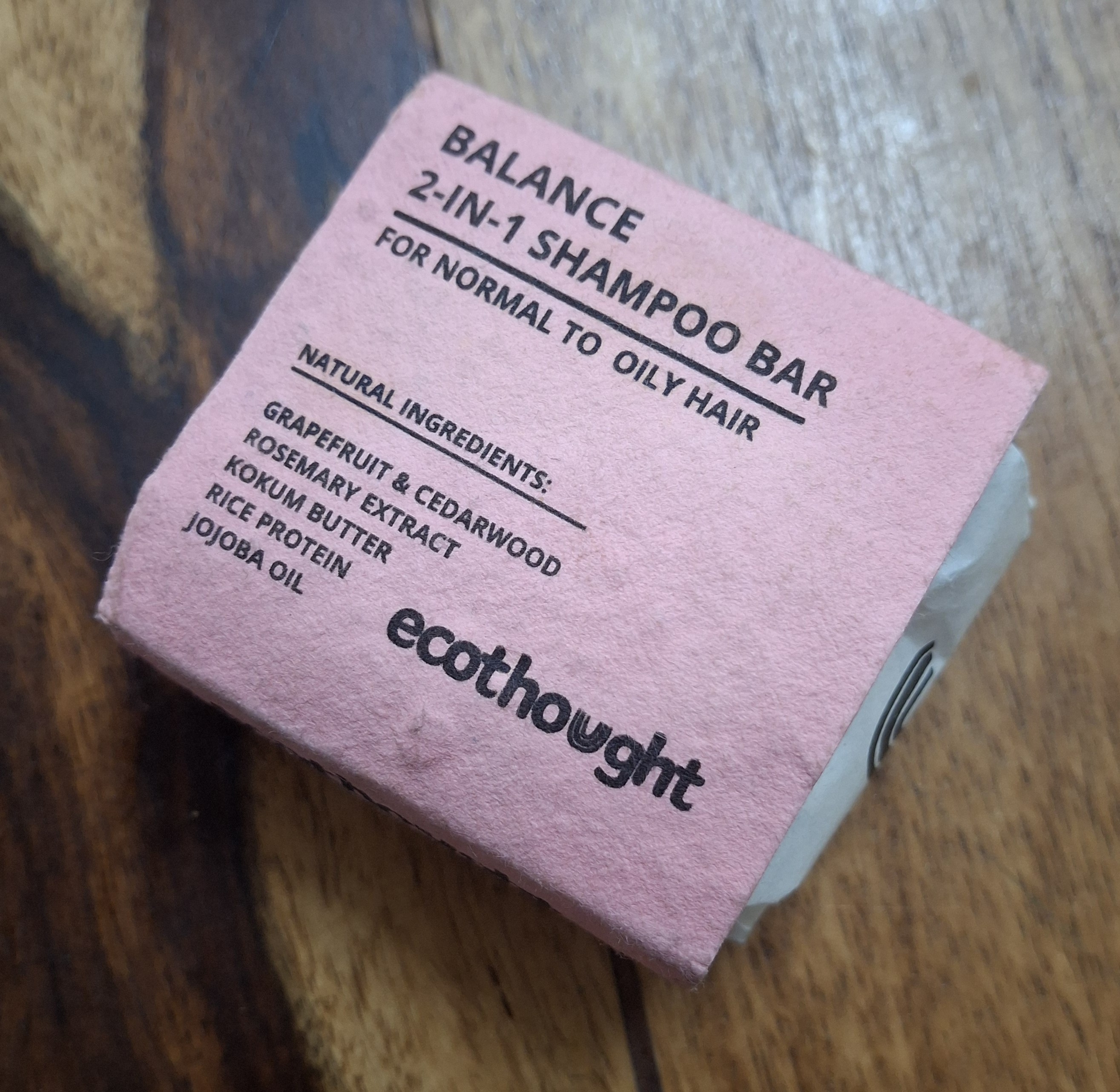
Yet another positive trend is the emergence of sustainable options that are just as convenient and effective as their unsustainable competitors. I’ve been a long-time user of shampoo bars which reduce significant amounts of waste. I have also recently started using coconut fiber dish-scrubbers and am pleased with the results.
Sustainability as part of the value system
Also, to many (including me), sustainability has become a practice and value. This tribe grows every day. People embrace sustainability driven by a trigger that awakens their sense of responsibility towards their surroundings and health. This change becomes imbued as a value. Convenient or easy is not a consideration now that sustainability is a habit; attuned to values, backed by belief. And that congruence is just about enough to overcome the laziness and the inconvenience and make the effort. It is also enough to not let the paper-towel-users bring us despair. Sustainable not to be sustainable, but just because it feels…right. In his book, Das observed how Yudhishthira, for all the mess and difficulty of following his dharma, did it just because it was in his cultivated nature.
It is difficult to be sustainable. But possible. Sometimes well, sometimes just about. I suppose that is okay.
Discover more from Eco-intelligent
Subscribe to get the latest posts sent to your email.
 Eco-intelligent