
Restoration has evolved from an experimental, niche field of ecology, into a globally significant, multi-stakeholder driven answer to our most pressing environmental problems. The decade from 2021-2030 has been called the “Decade for Ecosystem Restoration” by the United Nations.
Is there a defined end point that signals that an ecosystem is restored? Who determines it and how is it achieved?
The short answer to the title of this article is — it depends. The long answer describes what and who this state depends on.
What is restoration?
Restoration is the intentional activity that initiates and accelerates the recovery of an ecosystem with respect to its health, integrity and sustainability (SER, 2004). According to the same paper, an ecosystem has recovered and is restored when it contains sufficient biotic and abiotic resources to continue its development without further assistance and subsidy. It will sustain itself structurally and functionally. A description of the attributes of a restored ecosystem can be found here.
The assistance and subsidy encapsulate the deliberate act of restoring an ecosystem — it is human-driven, either through active intervention or by active abeyance (i.e. leaving the land alone and letting nature take its course). The end goal is to reverse degradation and have an ecosystem that can maintain its functionality and flow of ecosystem services.
Restoration: An ecological endeavor
Laughlin et. al. (2017) describes that the success of restoration comes from monitoring and evaluating the community structure, composition, biodiversity and ecosystem functions. Over time, a successfully restored area possesses a variety of strata (ecosystem layers, from the soil to the canopy and everything in between) and several types of life forms (biodiversity).
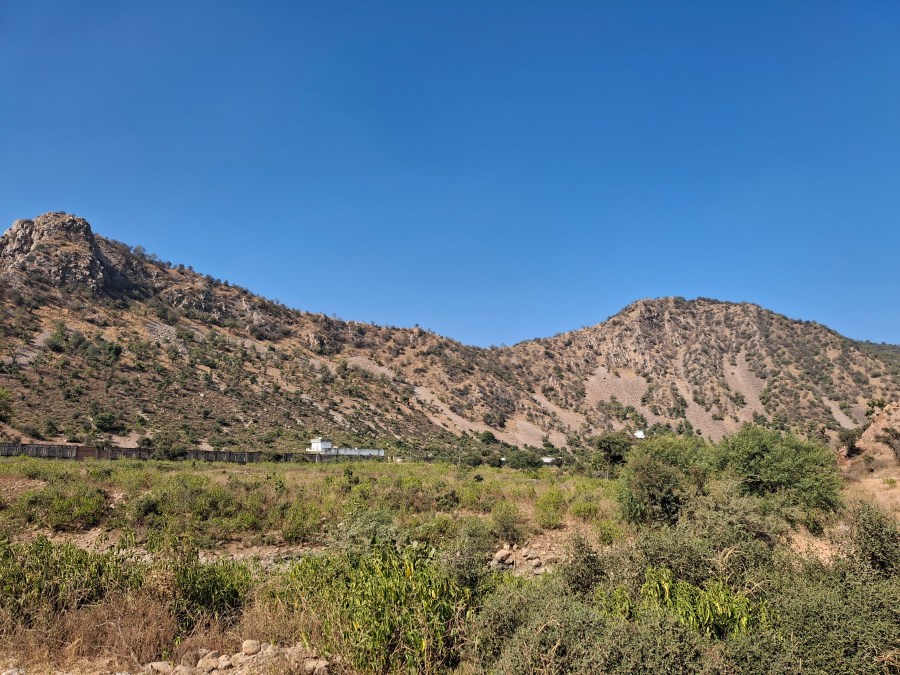
This is how restoration as a science developed. Restoration ecologists typically came from botanical and agricultural backgrounds with a sound understanding of ecosystem structures, compositions and functions. (In fact, early commentators called restoration ecology as “glorified gardening”.) Sites were studied to document the species it currently hosts. Parameters like species richness, species abundance and species diversity were calculated. This was compared to intact ecosystems in the vicinity to understand what the species composition of a non-degraded ecosystem looked like. Another approach was to compare historical composition of the ecosystem, if they were ever recorded. Overcoming the difference — bringing the degraded ecosystem’s parameters of species composition and ecosystem structure to that of the intact ecosystem through controlled ecological succession — became the goal of restoration.
Restoration today: New dimensions and considerations
Two key features have changed when we talk about restoration in today’s global conversations on environmental degradation. First, restoration is no longer about a small patch of land or even about one ecosystem. The focus of restoration has expanded to encompass a larger area called a landscape. This has interlinked the previously distinct branches of ecology — restoration ecology and landscape ecology — more closely.
Second, restoration in the past focused on ecosystem structure and functions from an ecological lens. If the species of the past returned to its ecological niches and its interactions with abiotic elements strengthened, an ecosystem was restored. Now, the considerations surround the most dominant species of all and its interests — human beings.
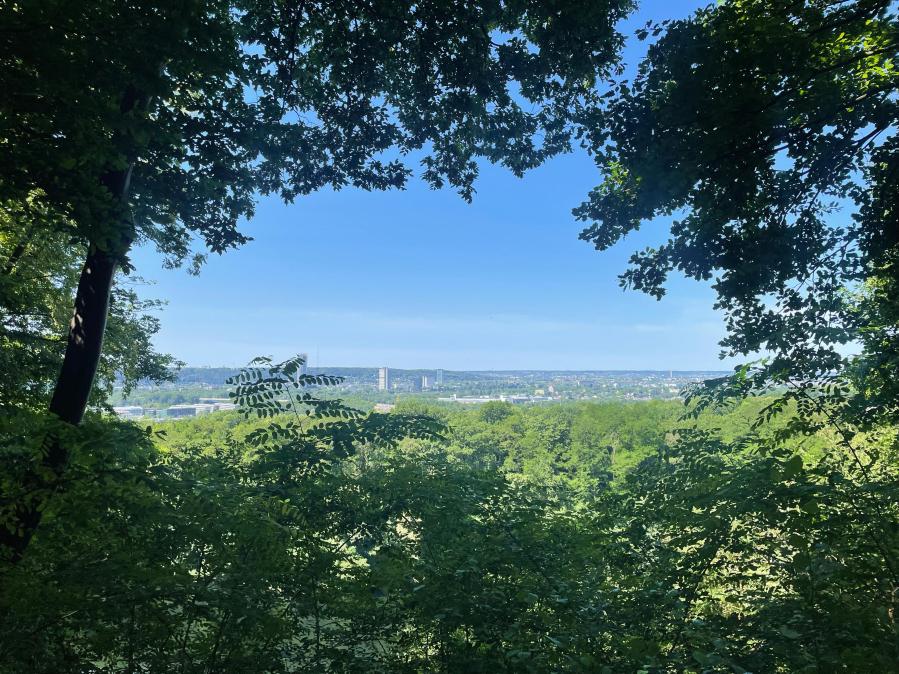
An ecosystem and a larger landscape is essential for humans to fulfill their livelihoods and aspirations. Social dynamics control access to ecological resources like wood, honey, fertile land, and water for irrigation. These, in turn, dictate economic success. Restoration planning today seeks to also understand if a degraded ecosystem became so because of human interests. Then, in the process of restoration, it integrates such interests into the final condition of a “restored” ecosystem/landscape.
So, while attempting to restore an ecosystem/landscape, we no longer only assess how it looked before degradation by comparing it to the past or to a nearby intact ecosystem and design interventions. Instead, we also seek out actors with a stake in the ecosystem and its restoration. Some of the questions we try to answer include:
- What are their uses of this land?
- What are their aspirations?
- How do they currently interact with the degraded ecosystem?
- Did their actions drive the degradation process?
- How might they be affected by the restoration actions?
- How will they benefit from the restored landscape?
In integrating these answers into the restoration process, the goal is no longer to return to the highest ecological functionality but to ensure that ecological, social and economic interests of the people nearby are met and continue to be met in the future. The term used today to describe such a process is Forest and Landscape Restoration (FLR). The International Union for Conservation of Nature (IUCN) defines it as “…the ongoing process of regaining ecological functionality and enhancing human well-being across deforested or degraded forest landscapes.” [emphasis added.]
Thus, the answer to when an ecosystem is restored is when the stakeholders agree that it is now restored. This is a powerful shift in how we perceive and interact with nature.
Restoration in practice
In practice, this often means that restoration specialists first study the degraded landscape to understand how it got degraded and what did it look like before degradation. The two approaches of restoration ecology — comparing with an intact ecosystem and/or with historical records — continue to be applied. Then, the human consideration is introduced. Needs and aspirations of different stakeholders in the landscape are taken into account. Then, an end goal for the landscape is identified. This end goal might not necessarily take the shape of the intact ecosystem, but arrives at an acceptable compromise between ecosystem structure and function and with the socio-economic needs of the people depending on it.
This is extremely difficult to achieve, as you might have already guessed. But it is a worthwhile endeavor as restoration is indeed the answer to many of the environmental challenges we are faced with today. For more on the standards and principles of restoration, click here.
Discover more from Eco-intelligent
Subscribe to get the latest posts sent to your email.
 Eco-intelligent
I’ve seen many standards coming up to measure the impact on biodiversity like TGBS, and Globio, etc etc. Some even show measurements between 0 and 1 i.e. the extent of degradation. But I often wonder if we are considering enough in saying that restoration is done. It’s based on our knowledge that the factors we selected are the key but there are research papers coming up with new results of what the ecosystem has. So again are we considering enough. Maybe. Maybe not.
LikeLike